
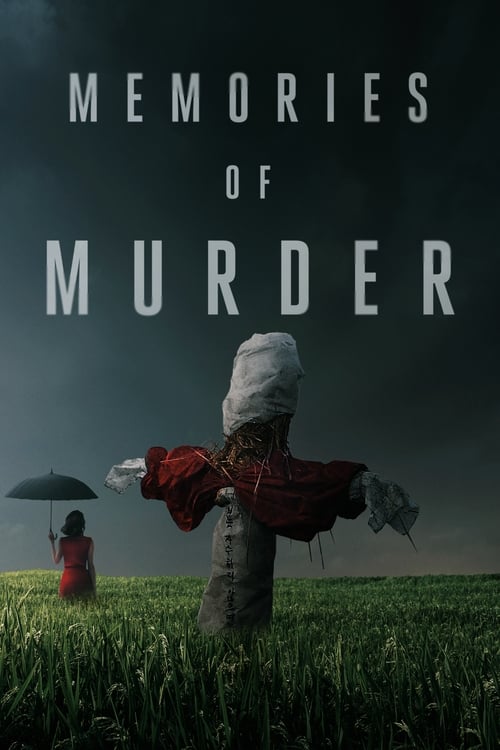
Memories of Murder
2003
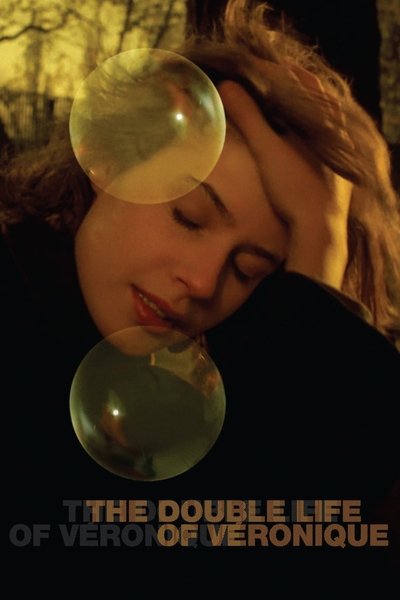
Véronique is a beautiful young French woman who aspires to be a renowned singer; Weronika lives in Poland, has a similar career goal and looks identical to Véronique, though the two are not related. The film follows both women as they contend with the ups and downs of their individual lives, with Véronique embarking on an unusual romance with Alexandre Fabbri, a puppeteer who may be able to help her with her existential issues.
Krzysztof Kieślowski
Crazy Woman
Weronika / Véronique
Alexandre Fabbri
Serge
Conductor
Auntie
5/29/2023
5/10
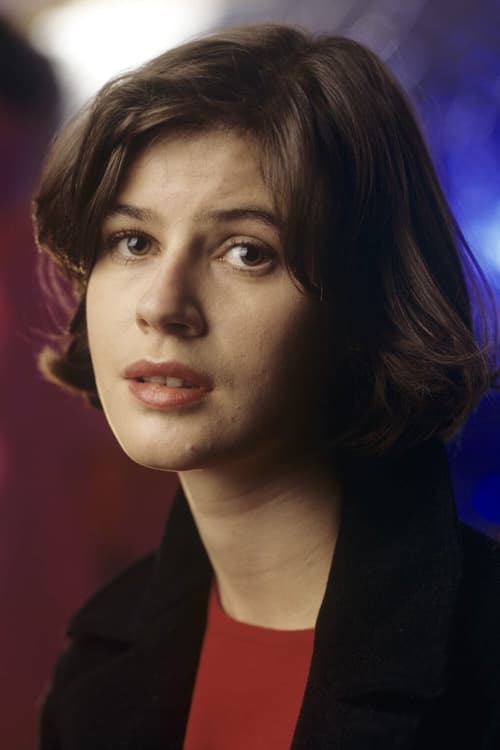
**A pessimistic film, somewhat negative and sad, about (maybe) two versions of the same person.** I decided to see this film shortly after having seen the trilogy of colors, by the same director, the Polish Krzysztof Kieslowski. The theme of the film is the lives of two women, the French Veronique and the Polish Weronika. They are doppelgängers for each other, live similar lives, have very similar aspirations and a similar life path. It could be said that they are twin sisters or versions of the same person! However, the two do not know each other and do not even presume the existence of the other. I dare not – and it would be very incorrect – to say more, but what happens to one of them affects the other in an inexplicable way. It is not, however, a happy or optimistic film. Kieslowski does an interesting job in a film that marks his expansion outside his country, into international cinema. Until then, he had only made a career in Poland, and largely at the expense of national television and documentaries. Color is fundamental in the film, as is the case in a good part of his work, and especially in his famous trilogy. Except that, contrary to what happens in these three films, the colors are largely muted here, through the almost permanent use of filters that reduce them to a tan, almost sepia. Thus, cinematography seeks to speak to us through color and framing, and ends up relating intimately and intensely with music and sound, creating an oneiric atmosphere that only seems excessive due to its omnipresence. Of the soundtrack, I would especially highlight a passage sung, in the best and most honest lyrical or operatic style, but undoubtedly composed for the film. The lead role (or rather, both lead roles) are secured by Irene Jacob, young and confident, sure of herself and her ability for the task at hand. This film opened doors for him and allowed him to have a much more distinguished career than he would have otherwise, I think. However, she is the only outstanding actress in this film. Everything else is supporting actors, appearing relatively fleetingly to do what needs to be done.
2003
2001
2019
2004
1995
1972
1982
1970
1965
2014
1966
2018
1993
1961
1977
1939
1999
1984
1937
2016